
Navigating and Using Shadow Work to Support Health and Well-Being - Part 1
What is Shadow Work?
Shadow work is a psychological concept that involves the process of exploring and integrating the unconscious parts of our personality, often referred to as the "shadow." The shadow encompasses the traits, desires, and impulses that we tend to reject or suppress because they do not align with our self-image or societal expectations. Engaging in shadow work means confronting these hidden aspects of ourselves, acknowledging their existence, and understanding how they influence our behavior, relationships, and overall well-being.
At its core, shadow work encourages individuals to delve into their inner selves, revealing the fears, insecurities, and unresolved issues that lie beneath the surface. This exploration can be both challenging and transformative, as it requires a level of honesty and vulnerability that many may find uncomfortable. However, the benefits of shadow work can be profound. By recognizing and embracing our shadow, we can achieve greater self-awareness, heal emotional wounds, and foster personal growth. This process often leads to improved relationships, as we become more empathetic and understanding of both ourselves and others.
Why should you try Shadow Work?
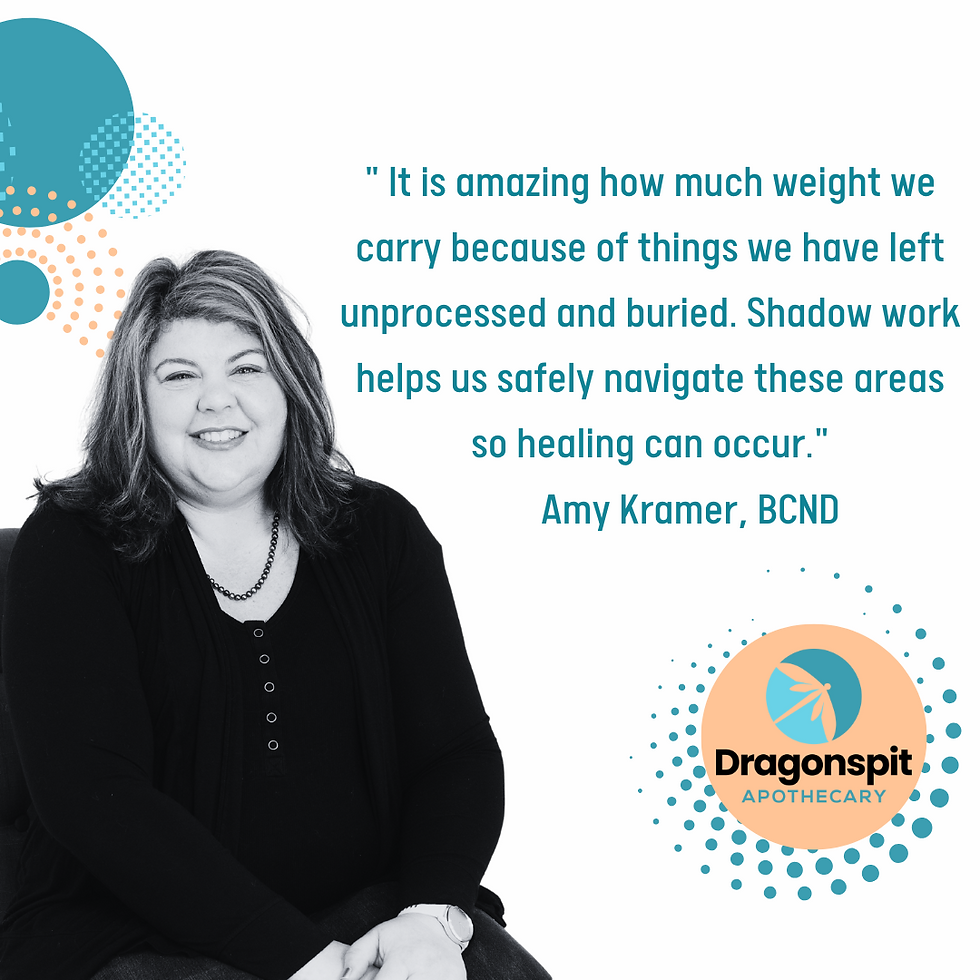
Most humans are not taught how to process feelings in a healthy way. Instead, we learn to hold it back, push it down and aside and carry on as if nothing happened. Yet, something did happen and whether big or small, it imprinted on us. The lingering effects of the experience, tied to our emotions that sometimes interrupts our sleep, influences our diet, and impacts how we see our day. It is all right there and yet we lack the skills to process it as it occurs.
Over time, these feelings becomes held in the cells of the body. They influence our health and well-being creating soreness, health concerns, mental health needs, and emotional blocks. We think we have dealt with the experiences and this is how we need to be now to survive. It is in this survival mode we exist and in many ways it can limit who we were meant to be as well as all that our health could be.
Shadow Work is a profound and transformative practice inviting us to heal our health and well-being on the deepest levels possible in human form. This concept, rooted in Jungian psychology, emphasizes the importance of acknowledging and integrating the parts of ourselves that we typically suppress or deny. Engaging in Shadow Work can lead to a deeper understanding of our motivations, behaviors, and emotional responses, ultimately fostering personal growth and self-acceptance.
By confronting our fears, insecurities, and unresolved traumas, we can break free from limiting beliefs and patterns that may have been holding us back in life. Furthermore, this introspective journey can enhance our relationships with others, as we become more empathetic and compassionate towards both ourselves and those around us.
In a world that often encourages us to present a polished exterior, Shadow Work provides a safe space to embrace our authenticity, leading to a more fulfilling and balanced existence. Thus, embarking on this journey of self-discovery can be a powerful catalyst for healing, empowerment, and holistic well-being.
How do you practice Shadow Work?
Shadow work can take many forms, including journaling, meditation, therapy, and creative expression. From the simplest form of reflection to the more eccentric including sweat lodges and mountain top journeys, shadow work is a tool for healing. There is no right or wrong way to do it but there are guidelines to help make it feel safe. Often with shadow work we are dealing with deeply traumatic experiences that took us years of burying so we could function every day. Now we want to carefully unpack it all, explore and release it so healing can help our health thrive.
Each of these methods allows individuals to reflect on their thoughts and feelings, uncovering patterns and behaviors that may have previously gone unnoticed. For instance, journaling can provide a safe space to articulate feelings of anger, jealousy, or fear, while meditation can help individuals connect with their inner selves and cultivate mindfulness. Therapy, particularly approaches that focus on depth psychology, can offer guidance and support as individuals navigate the complexities of their shadows.
It is important to note that shadow work is not about eliminating or denying these darker aspects of ourselves; rather, it is about acceptance and integration. By acknowledging the shadow, we can learn to harness its energy in constructive ways, turning potential negatives into positives. For example, repressed anger can be transformed into assertiveness, and feelings of inadequacy can be channeled into motivation for self-improvement. Ultimately, shadow work is a journey toward wholeness, allowing individuals to reclaim lost parts of themselves and live more authentically.
Shadow Work as a Healing Tool
Shadow work serves as a powerful tool for self-discovery and healing. By engaging in this introspective practice, individuals can unlock the potential for profound change and growth, leading to a more fulfilling and integrated life. Whether approached through individual practices or with the support of a mental health professional, the journey of shadow work can illuminate the path to deeper self-understanding and acceptance.
Be sure to read Part 2 of this series for how to do shadow work and where to get additional resources.
Visit us at www.dragonspitapothecary.com


Comments